Fire detection in industry and mining: environments that do not forgive failures
Industrial and mining environments require robust, certified, and adaptable detection. See the main challenges and how to face them.
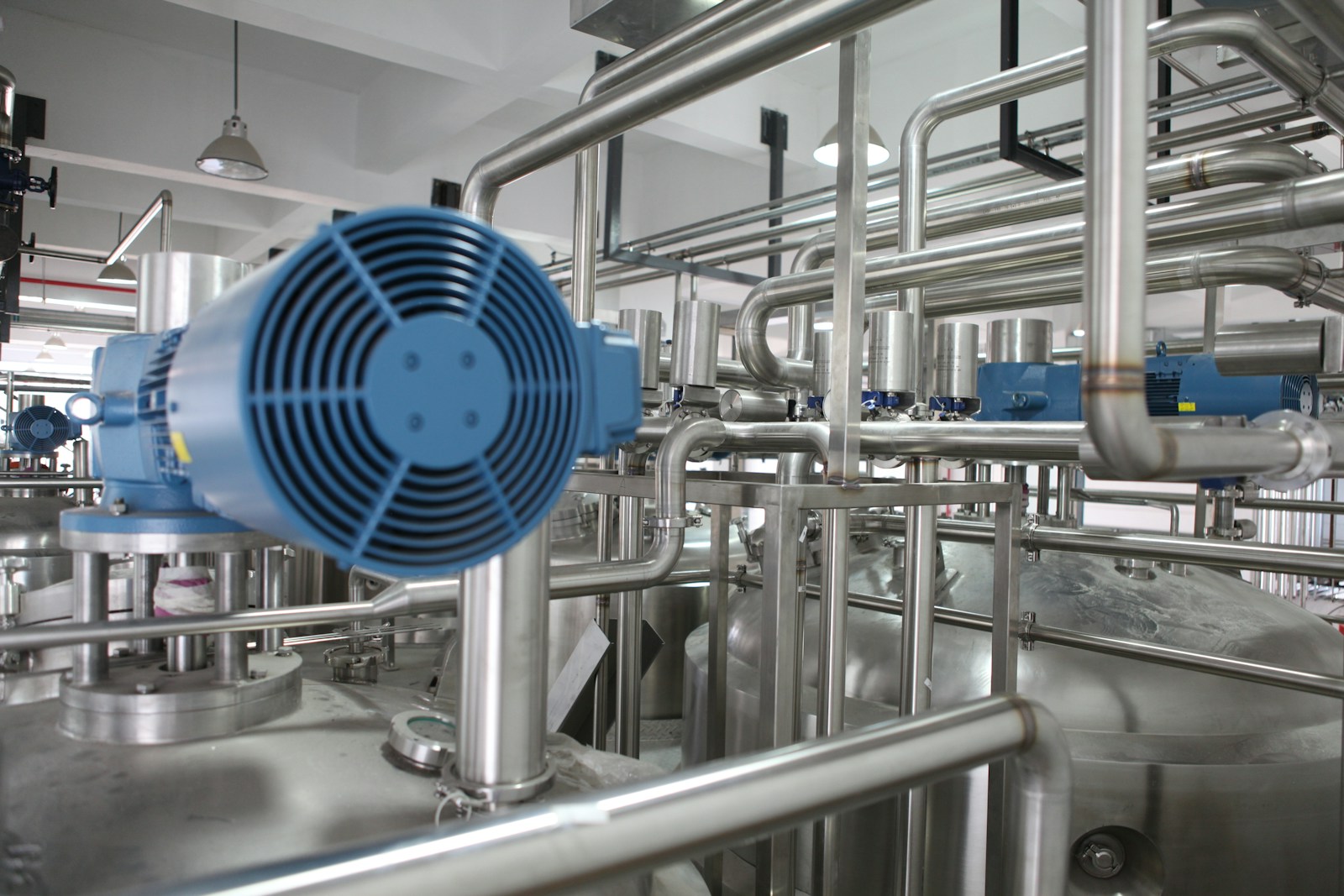
Industrial plants and mining operations impose harsh conditions on any security system: large distances, remote areas, dust, vibration, potentially explosive atmospheres and, often, the absence of ready cabling infrastructure.
Typical challenges
Covering large warehouses, yards and hazardous areas requires robust and often explosive (Ex) rated devices. Furthermore, many locations are difficult to access for laying cables, which makes wireless communication a practical and economical alternative.
Certification as a prerequisite
Large industries and mining companies tend to maintain rigorous supplier approval processes. Recognized certifications (such as UL-BR and compliance with NBR 17240) are often a condition for even starting the technical evaluation — a filter that separates truly reliable solutions from improvised ones.
Scalability and continuity
Industrial operations cannot stop. Systems that allow you to expand coverage without major works, maintaining redundant supervision and communication, reduce risk and costs over time.
Sources:
- ABNT NBR 17240:2010: see document
- Wireless fire detection and alarm system — applications: see article
Related articles
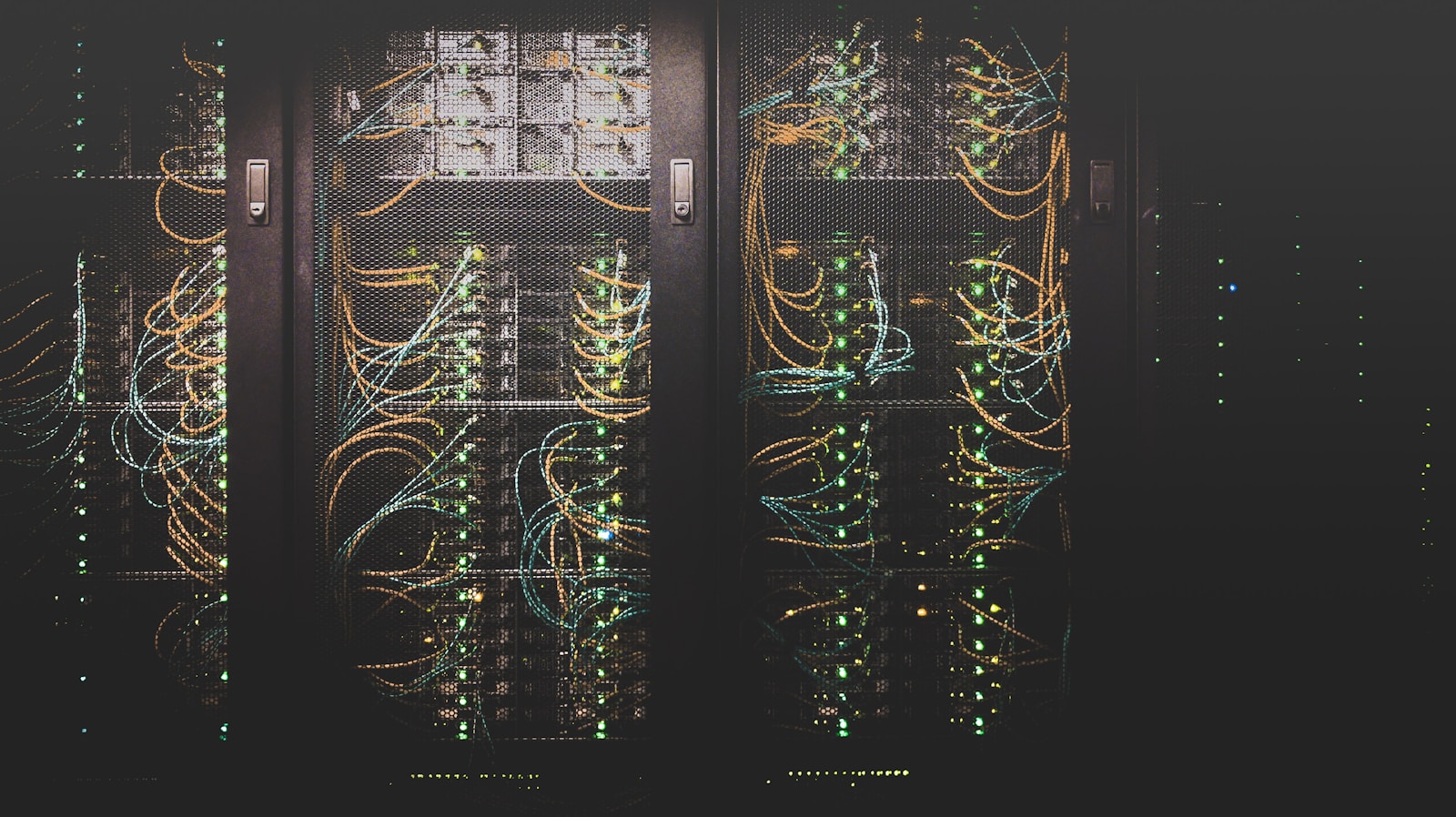
Data centers: why early detection is non-negotiable
In data centers, every minute counts. Understand the importance of early detection and the role of NFPA 75 and 76.
Read article
Fire safety in hospitals: protect without stopping care
How fire detection protects healthcare establishments without interrupting operations, and what Anvisa advises on the topic.
Read article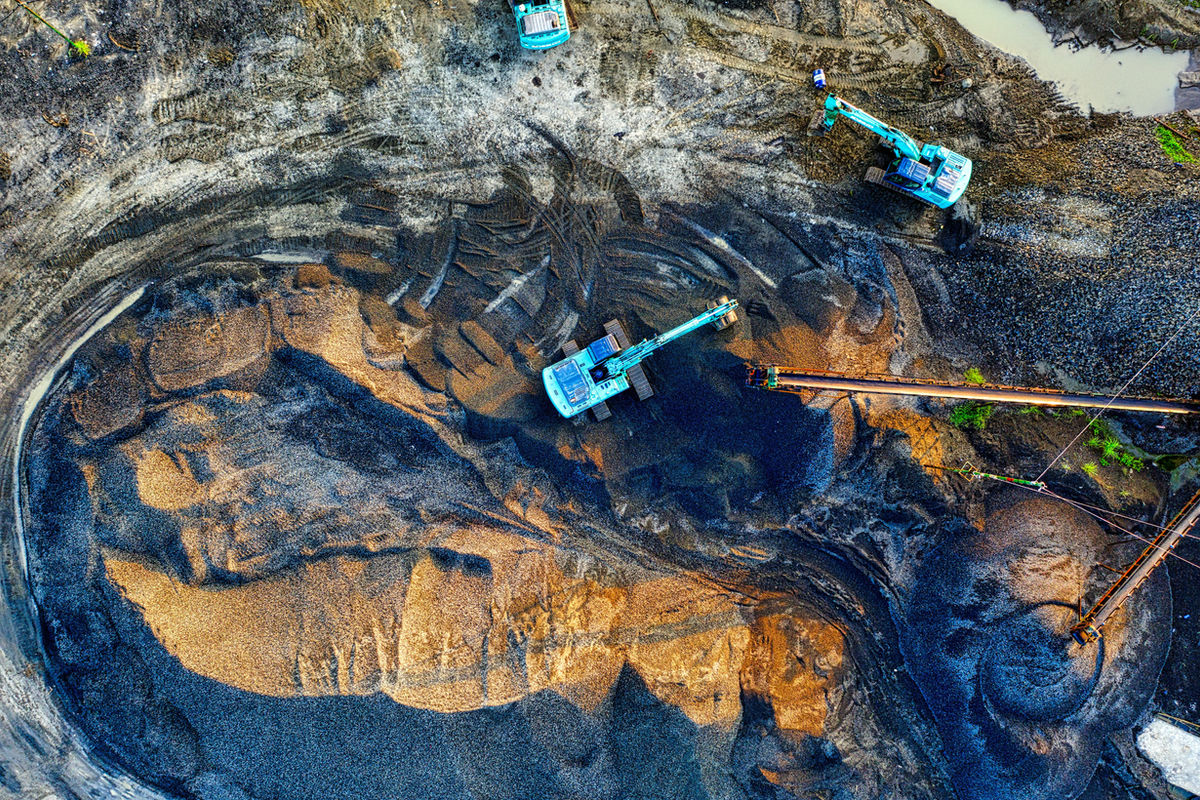
VALE approves Firebee system for Industrial Areas: a safety and certification milestone
Vale, one of the largest mining companies in the world, approved the Firebee system for its industrial areas after a rigorous certification process lasting 8 to 10 months.
Read article