Data centers: why early detection is non-negotiable
In data centers, every minute counts. Understand the importance of early detection and the role of NFPA 75 and 76.
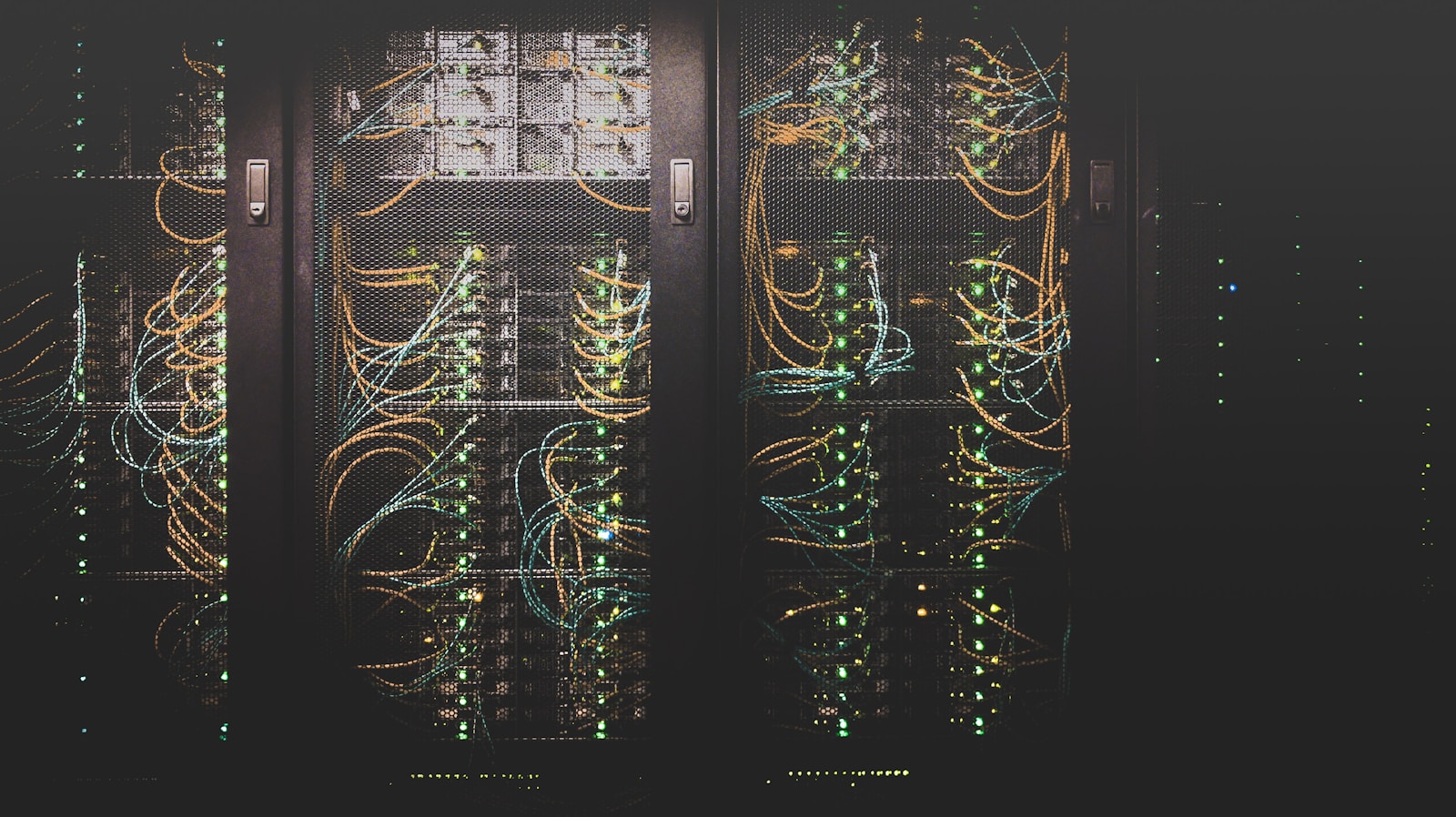
Data centers concentrate critical assets and information in a dense energy and heat environment. A fire outbreak there can cause damage and interruptions disproportionate to its size — therefore, detection needs to happen at the earliest possible stage.
Early detection and aspiration
Aspiration detection technologies (which continuously sample the air in the room) can identify smoke particles much earlier than a conventional point detector. In server rooms, this anticipation is decisive to act before the focus evolves.
What the standards say
The North American standards NFPA 75 and NFPA 76 are international references for fire protection in information technology equipment and telecommunications installations, providing guidance from detection to suppression. They reinforce the logic of early detection combined with quick response.
Integration is the key
In data centers, detection rarely acts alone: it often triggers automatic actions — such as triggering gas suppression, notifying teams, and integrating with monitoring. A system that talks to these subsystems adds real value.
Sources:
- NFPA standards for data centers — NFPA 75 and 76 (overview): see article
- Types of fire detection and fighting for data centers: see article
Related articles
Fire detection in industry and mining: environments that do not forgive failures
Industrial and mining environments require robust, certified, and adaptable detection. See the main challenges and how to face them.
Read article
Fire safety in hospitals: protect without stopping care
How fire detection protects healthcare establishments without interrupting operations, and what Anvisa advises on the topic.
Read article