IoT and remote monitoring in fire prevention
Connectivity and IoT are changing fire detection, with real-time remote monitoring. See the trends.

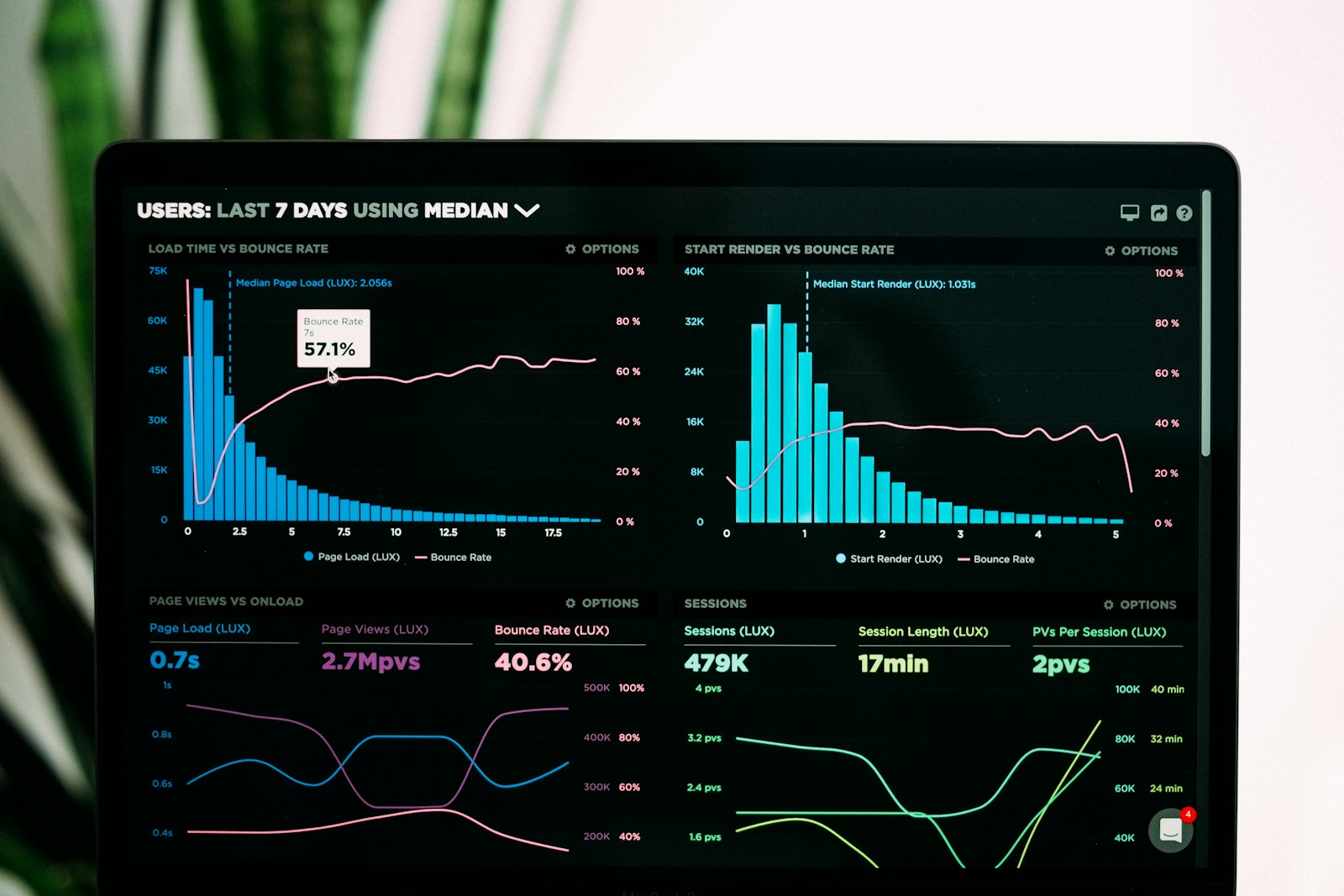
Digitization has reached fire safety. With IoT (Internet of Things) and connectivity, detection systems are no longer “islands” and can be monitored remotely, in real time, from anywhere.
What changes with remote monitoring
Connected centers allow you to monitor the system status remotely: events, faults, battery level and alarms can be immediately notified to managers and maintenance teams. This shortens response time and anticipates maintenance, before a problem compromises protection.
Industry trends
Industry publications point to connectivity, cloud monitoring and data integration as consolidated trends for 2024–2025 in fire safety. Native communication (3G/4G) at remote points and data analysis increase visibility into system health.
Connectivity with responsibility
More connectivity requires attention to reliability and cybersecurity. The objective is not to replace regulatory rigor, but to add visibility and agility to a system that continues to be certified and designed in accordance with standards.
Sources:
- Portal Incêndio — Trends and updates in standards (2024–2025): see article
- Technological trends in security for 2025: see article
Related articles
Reliability and redundancy: what prevents an alarm from failing
Continuous supervision, fault tolerance and redundancy are what ensure the alarm works on time. Understand how.
Read article
Wireless x wired fire detection: what changes in practice
Understand the differences between wireless and wired fire detection systems, the benefits of the work and the points of attention to choose the right solution.
Read article
Wireless SDAI revolutionizes industrial infrastructure and ensures greater efficiency
A Firebee conta com tecnologia wireless que garante uma comunicação confiável e segura, solução ideal para substituição de sistemas cabeados sujeitos a falhas de infraestrutura.
Read article