Wireless x wired fire detection: what changes in practice
Understand the differences between wireless and wired fire detection systems, the benefits of the work and the points of attention to choose the right solution.
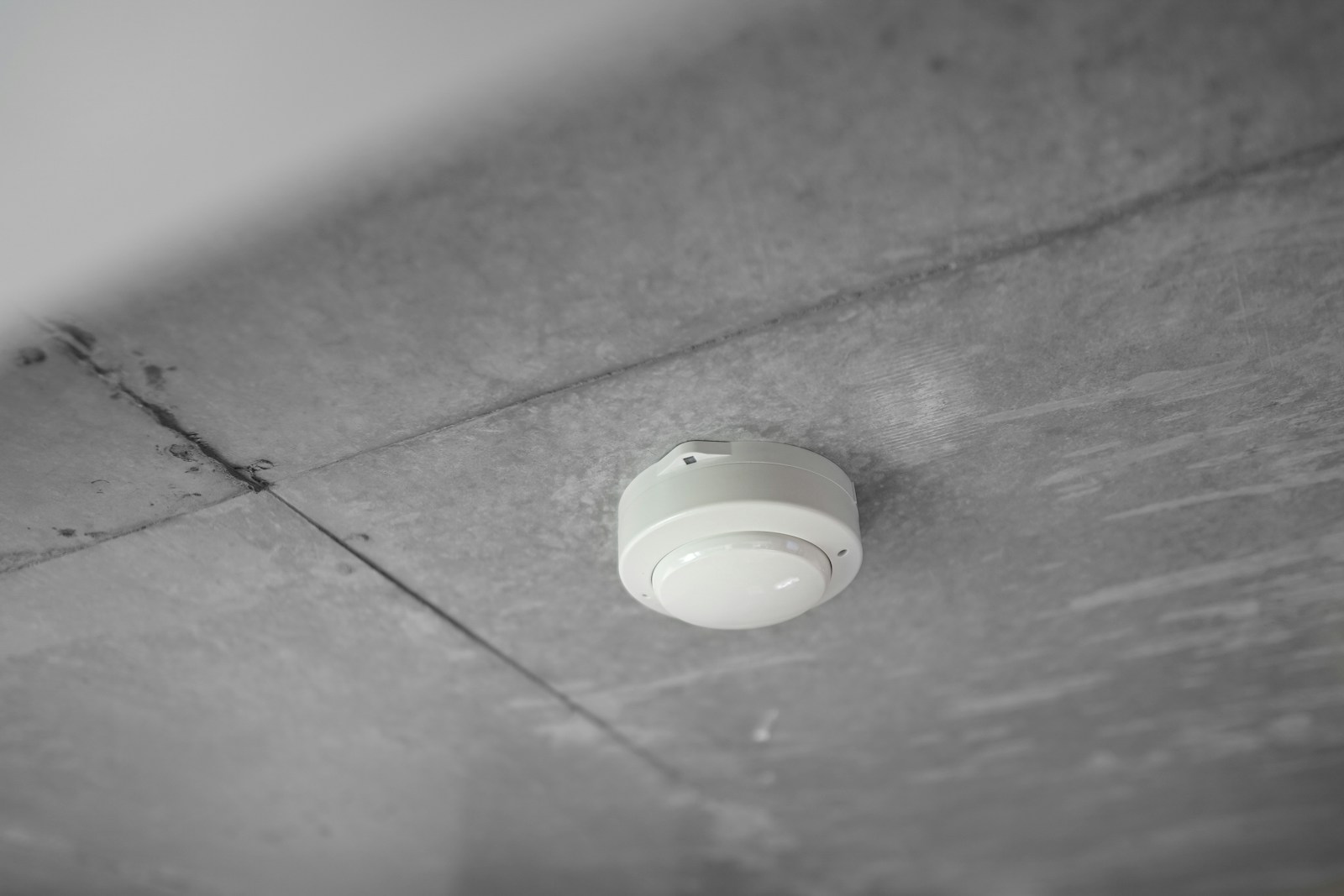
Fire detection and alarm systems can be implemented in two ways: with traditional cabling between devices and the control panel, or via wireless communication, in which detectors, triggers and sirens communicate via radio with the control panel. The choice directly impacts construction time, cost, flexibility and maintenance.
Where wireless makes a difference
The main advantage of the wireless system is that it eliminates the need for conduit and cable infrastructure between points. This drastically reduces civil intervention — without breakdowns, without shutting down areas and with faster installation. It is especially valuable in existing buildings, historical heritage sites, environments that cannot stop and places where cables are difficult to run.
What to evaluate before deciding
Quality wireless systems need to guarantee radio link reliability, continuous device supervision and battery life with maintenance warning. In Brazil, the use of wireless detection and alarm is already covered in technical standards for fire departments (such as PT-027 from CBMES) and must follow the general design requirements of ABNT NBR 17240. Wired, in turn, continues to be a reference in new plants where the infrastructure is already foreseen in the project.
Conclusion
There is no absolute “best”: there is what is best suited to each scenario. For retrofit, sensitive works and rapid scalability, certified wireless tends to deliver more value. For large new construction, cabling can be competitive. The essential thing is that the solution is certified and designed in accordance with current standards.
Sources:
- CBMES — PT-027/2016 Wireless Detection and Alarm System: see document
- ABNT NBR 17240:2010: see document
Related articles

IoT and remote monitoring in fire prevention
Connectivity and IoT are changing fire detection, with real-time remote monitoring. See the trends.
Read article
Reliability and redundancy: what prevents an alarm from failing
Continuous supervision, fault tolerance and redundancy are what ensure the alarm works on time. Understand how.
Read article
Wireless SDAI revolutionizes industrial infrastructure and ensures greater efficiency
A Firebee conta com tecnologia wireless que garante uma comunicação confiável e segura, solução ideal para substituição de sistemas cabeados sujeitos a falhas de infraestrutura.
Read article